

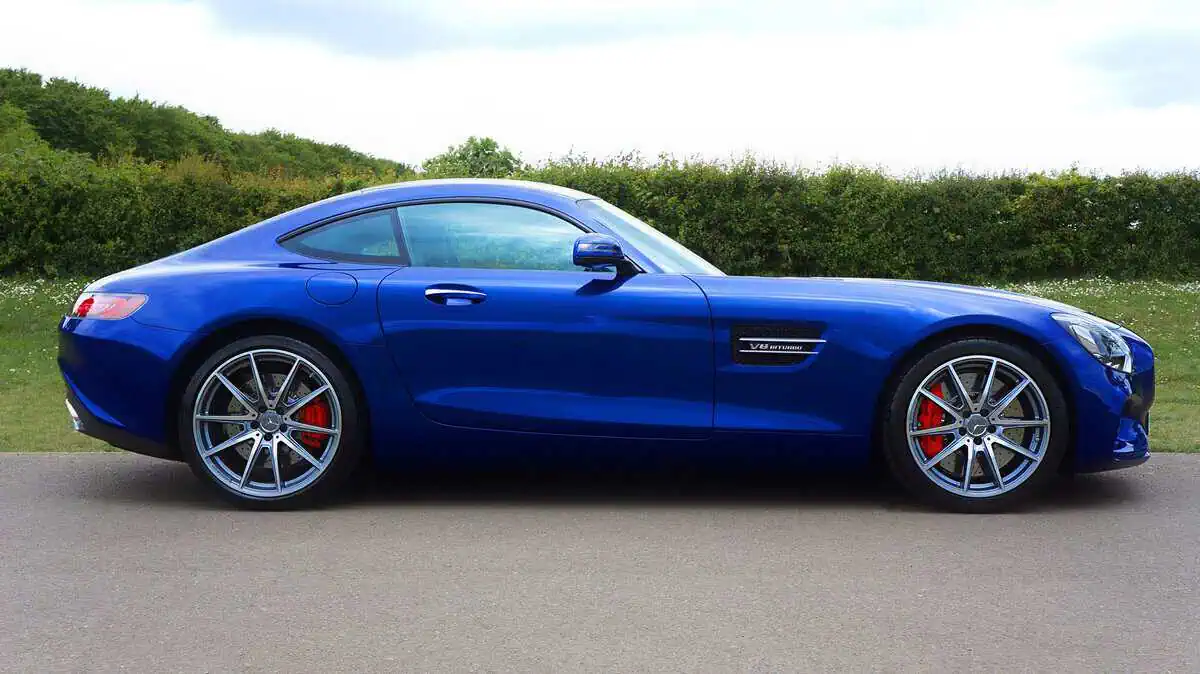
Luxury cars have never been simply about getting from one place to another.
They are rolling statements of design, engineering, craftsmanship, and personal taste. But the meaning of luxury is changing quickly.
A few years ago, leather seats, powerful engines, and oversized grilles could define a premium vehicle. Today, buyers expect something more considered: quieter cabins, intelligent technology, sophisticated materials, electrified powertrains, advanced driver assistance, and interiors designed around comfort rather than clutter.
Think about it: the modern luxury car is becoming less like a machine you simply drive and more like a private space that happens to move.
Design Is Becoming More Personal
One of the biggest shifts in luxury automotive design is personalization.
Buyers increasingly want vehicles that feel individual rather than simply expensive. Bespoke paint finishes, custom interiors, distinctive materials, unique wheels, and made-to-measure options allow owners to create something that feels genuinely personal.
Mercedes-Maybach, for example, has expanded its MANUFAKTUR and Made to Measure options as part of the latest S-Class update.
Range Rover is also pushing deeper into customization through its Bespoke service, giving customers extensive control over colors, materials, and finishes.
The result is interesting.
Luxury is moving away from simply showing wealth and toward expressing individuality.
Interiors Are Becoming Calmer
Walk into a modern premium cabin and you’ll notice something immediately: less visual noise.
The latest Mercedes-Maybach S-Class combines refined surfaces with updated digital interactions, while Range Rover’s newer models emphasize tactile materials and a quieter visual environment.
That’s a major change from the screen-heavy interiors that initially defined the digital luxury era.
Technology is still there.
It just doesn’t always need to shout.
Electrification Is Changing Luxury
Electric powertrains are also redefining expectations.
Instant torque, near-silent acceleration, smoother operation, and sophisticated energy management fit naturally into the luxury-car experience.
The Range Rover Electric is a strong example. Its two electric motors deliver up to 550PS and 850Nm, while the 118.5kWh battery uses an 800-volt architecture and can charge from 10–80% in a claimed 22 minutes under specified conditions.
In India, BMW has also expanded its electric luxury presence. The latest BMW i7 launched locally with production beginning at BMW Group’s Chennai plant, making India the only country outside Germany producing the electric flagship sedan.
For premium buyers, electrification isn’t only about reducing emissions.
It’s also about refinement.
Technology Is Becoming Invisible
The best luxury technology doesn’t necessarily feel complicated.
Mercedes-Benz is bringing steer-by-wire technology to the new EQS, replacing some traditional mechanical connections between the steering controls and front wheels with electronic control.
Meanwhile, Range Rover’s SV Ultra introduces immersive cabin technology including electrostatic audio, Body and Soul Seats, and a Sensory Floor designed to create a more enveloping passenger experience.
Technology is increasingly being used to shape how passengers feel, not simply what they can operate.
Luxury SUVs Keep Expanding
The luxury SUV has become one of the most important formats in the premium market.
They offer elevated driving positions, generous interiors, strong road presence, and enough practicality for everyday use.
McLaren announced a £500 million investment in UK manufacturing and engineering, including development of its first SUV. The company says the investment will support a new assembly facility and expanded in-house engineering capabilities.
Performance Still Matters
Of course, luxury hasn’t abandoned performance.
It has simply become more nuanced.
A modern premium vehicle can be fast without feeling aggressive. It can have serious handling ability while maintaining a quiet, comfortable cabin. The goal is increasingly to give drivers both excitement and effortless usability.
That balance is particularly visible in today’s luxury sedans and performance SUVs.
Power is still part of the experience.
It just isn’t the entire experience.
Craftsmanship Remains at the Center
Technology may dominate headlines, but craftsmanship still gives luxury vehicles their emotional appeal.
Carefully finished materials, precise stitching, distinctive trim, thoughtful lighting, and tactile controls create the details that owners interact with every day.
The latest Range Rover SV Ultra, for instance, combines specialized exterior finishes with leather-free interior materials and intricate detailing, showing how material choices can become part of a vehicle’s identity.
The New Definition of Automotive Luxury
Modern luxury cars are bringing several ideas together:
- Personalized design
- Electrified performance
- Quiet and comfortable cabins
- Advanced driver technology
- Premium materials
- Bespoke customization
- Sophisticated digital experiences
- Everyday practicality
The interesting part is how these elements work together.
A luxury vehicle no longer needs to choose between performance and comfort, technology and simplicity, or traditional craftsmanship and electrification.
The best new models are attempting to combine all of them.
Final Thoughts
Luxury automotive design is entering an interesting phase.
Cars are becoming more personalized, more connected, more electrified, and increasingly focused on the experience inside the cabin. At the same time, designers are rediscovering the value of simplicity, craftsmanship, and quiet sophistication.
It’s about making every detail feel intentional.
